
Censorship
Collages

From October 5–11, 2025, Banned Books Week took place, and once again I have been thinking about censorship in literature.
This notion has existed, still exists, and probably will survive further.
Many famous classic books were banned somewhere, by someone, and in spite of all efforts to restrict or censor them, we read and love these works today even more.
Here are just several examples of once banned or censored (and now deeply loved) classics:
Ulysses (1920) by James Joyce — banned in the US, the UK, and Ireland;
Lady Chatterley’s Lover (1928) by D. H. Lawrence — banned in many countries, including the UK and the US;
Animal Farm (1945) by George Orwell — banned in the USSR, Cuba, and several Eastern Bloc countries;
1984 (1949) by George Orwell — banned in the USSR;
The Catcher in the Rye (1951) by J. D. Salinger — banned in some U.S. schools during the 1950s–80s;
Lolita (1955) by Vladimir Nabokov — banned in France, Argentina, South Africa, and New Zealand;
Doctor Zhivago (1957) by Boris Pasternak — banned in the USSR.
In the USSR, a huge part of literature could not even be considered for publication. Many authors wrote with the understanding that their work might not be read for a long time — or perhaps ever.
The Master and Margarita by Mikhail Bulgakov was first published only twenty-six years after the author’s death, in 1966.
These are milestones of classic literature today, and it is hard to comprehend their banned past.
However, this theme inspired me to create a series of collages, where I wanted to reflect on this phenomenon and on an equally important aspect — the people who still allow such censorship to happen today.
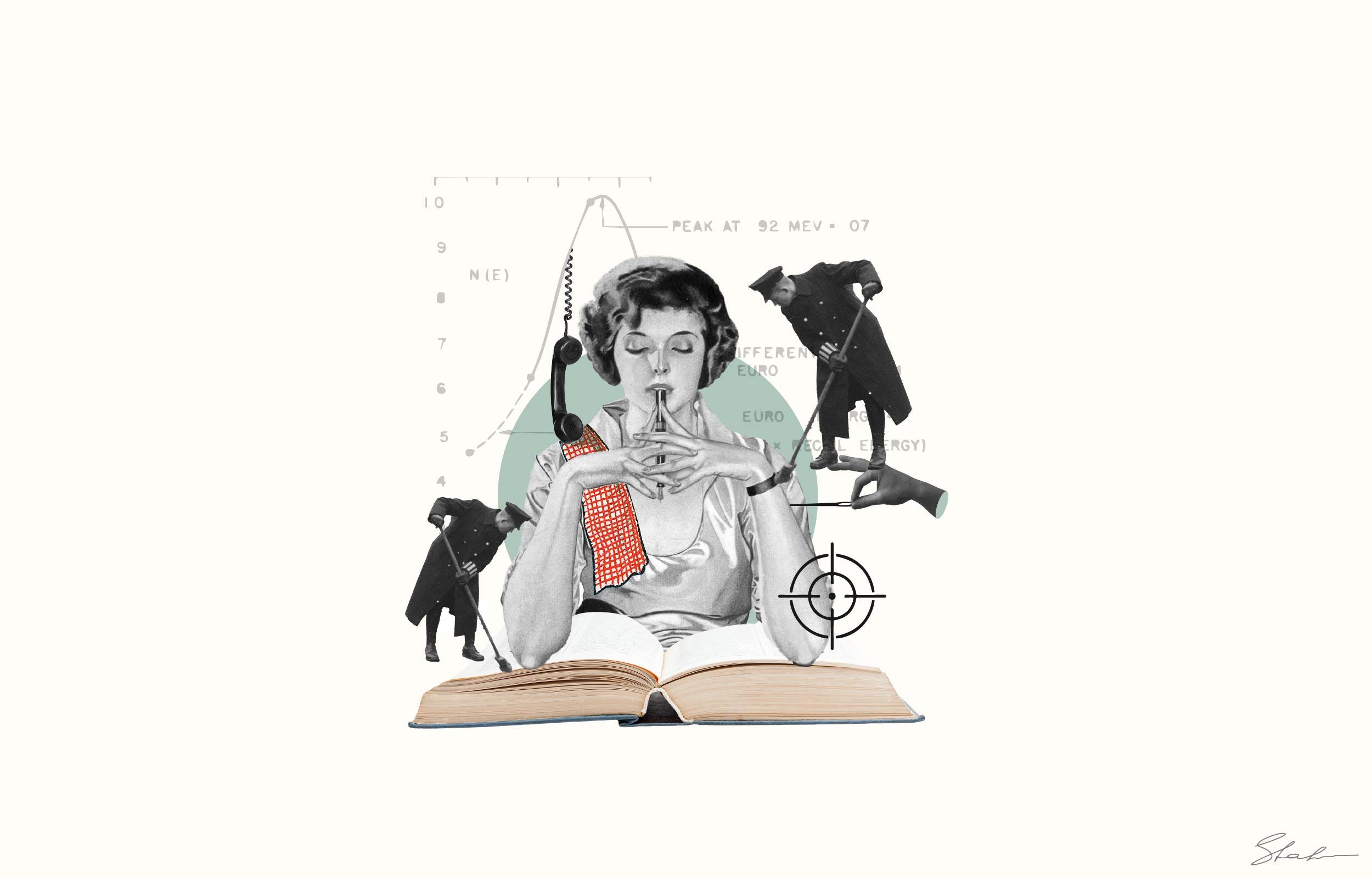
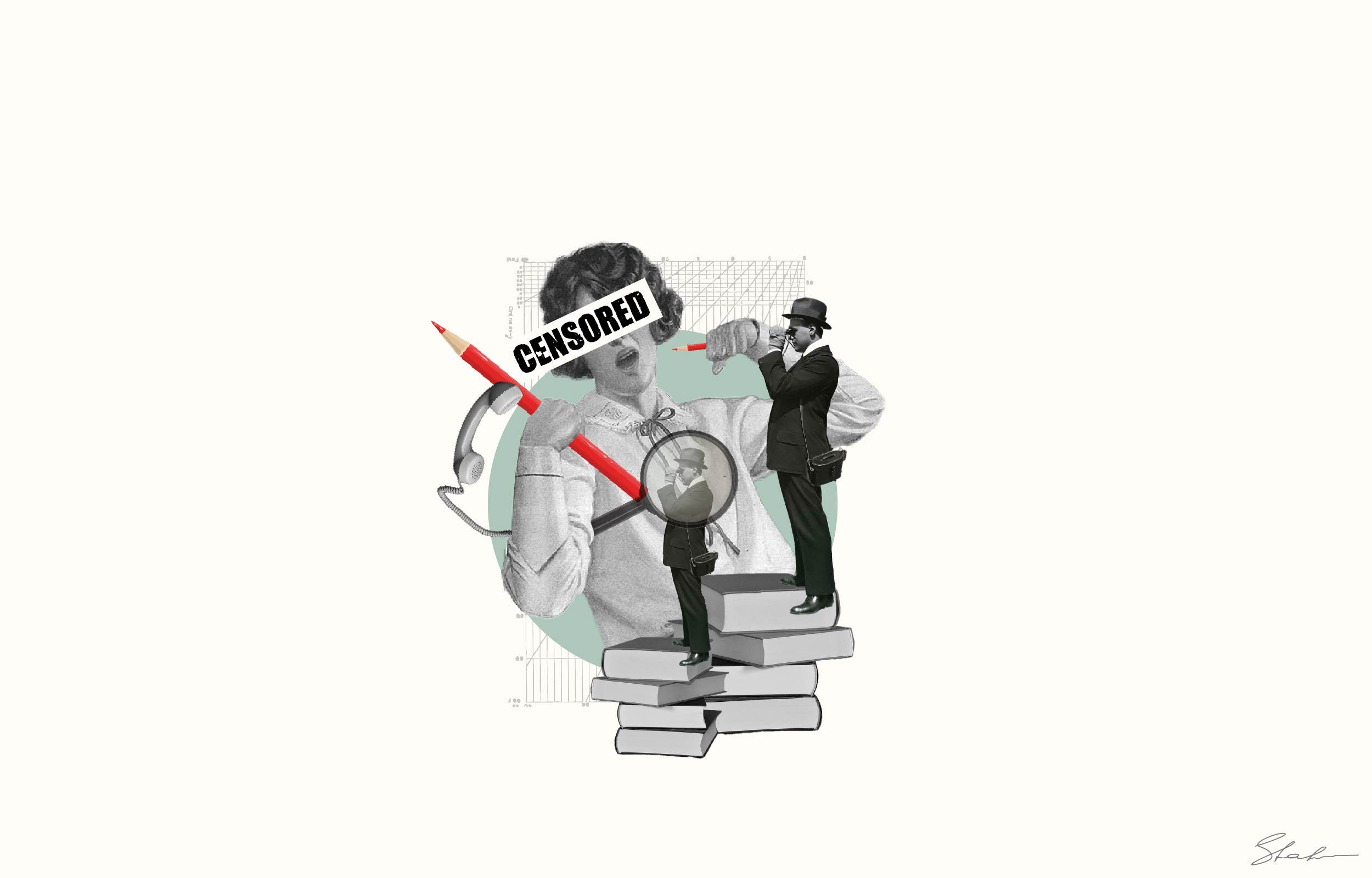
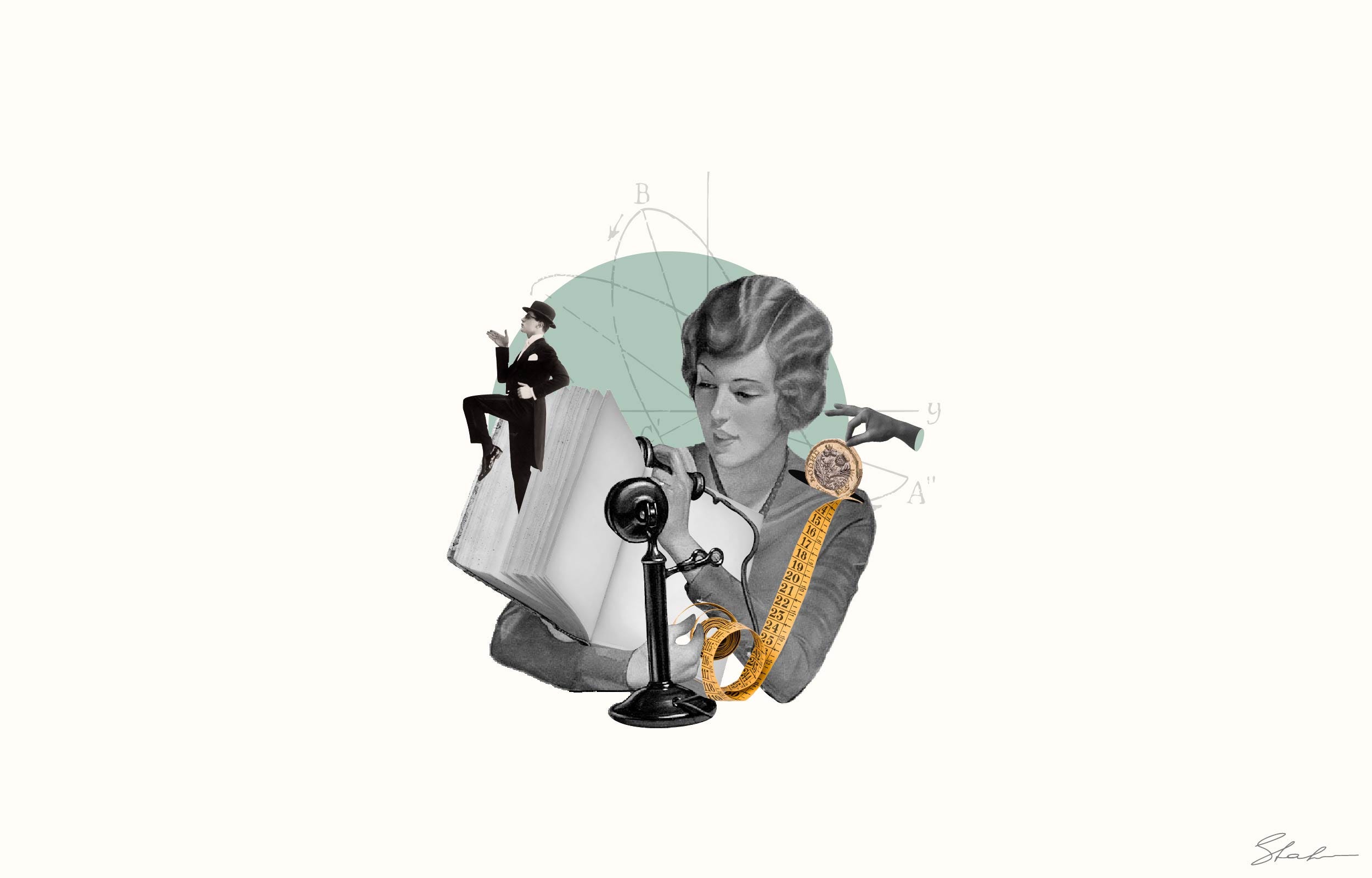
Thinking about all this, I remembered a book I read at the beginning of this year — a new work by Maria Stepanova (the author of In Memory of Memory), titled The Disappearing Act (Фокус), published in 2024 in Russia.
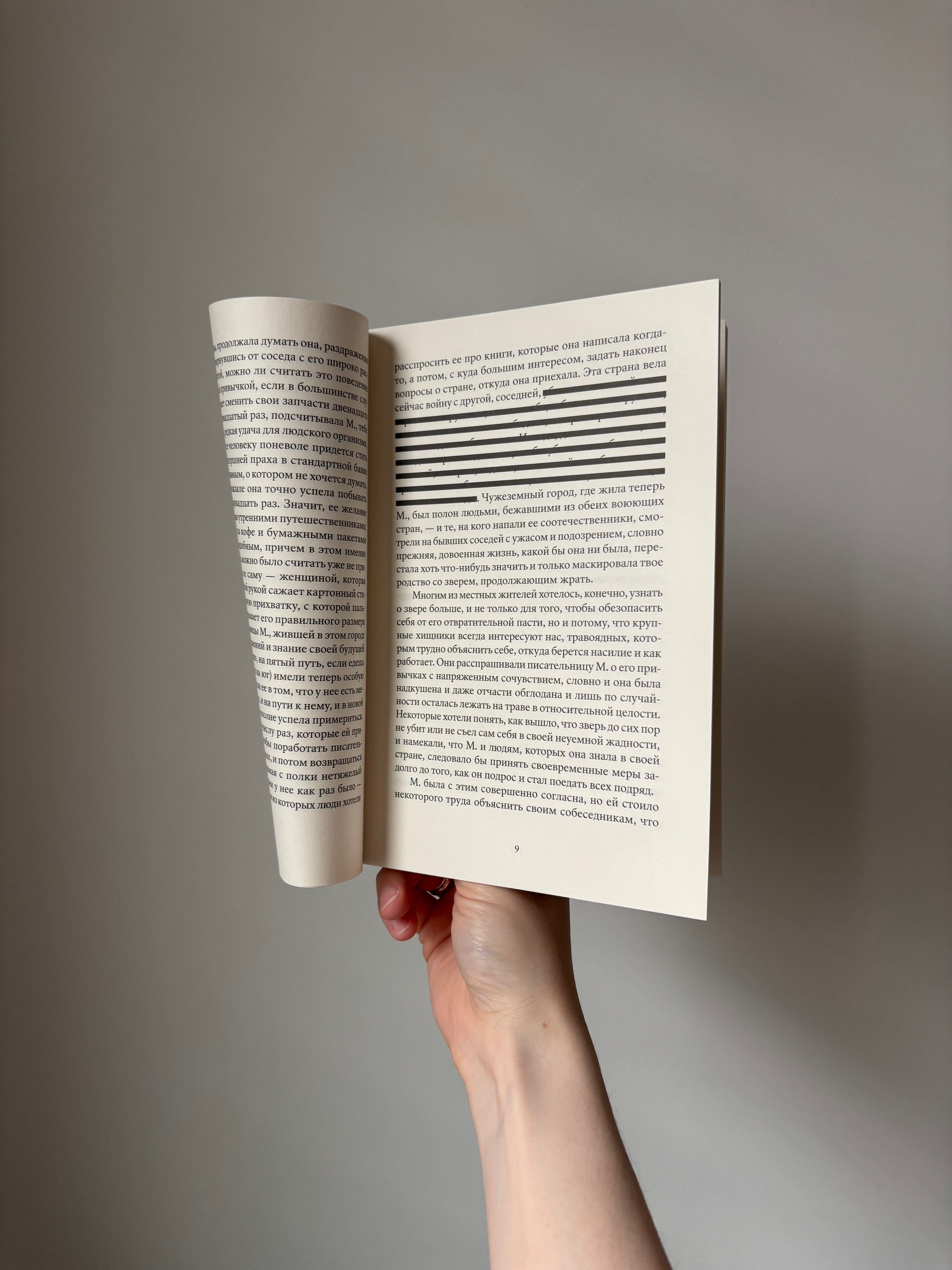
The publisher had to cover several lines with black ink that contained, according to the Russian government, “wrong facts about the Russian–Ukrainian war.” Otherwise, the book could not have been published.
So the idiom “to read between the lines” has acquired another meaning here.
It was an unforgettable experience to read — and even simply to hold — such a book.
And in spite of all the spilled ink, this book may become a classic one day, and these lines will be free to read.
I have given it five stars.
The English edition will be available in February 2026.
“Manuscripts don’t burn.”
— Mikhail Bulgakov, The Master and Margarita
Indeed, master, indeed.
Natalia Titova
10/2025
This topic is well-known to me because of my father, who was a rather mediocre Soviet writer. After his gulag, he accepted all the rules of Socialist Realism, but every time his book was published, he complained about censorship. One of his novels went through seven different censors. So, when Stepanova had only several lines out of her book, it was not yet torture, although it was sad because it was about a hateful war in Ukraine.