
Middlemarch
First Reading Impressions

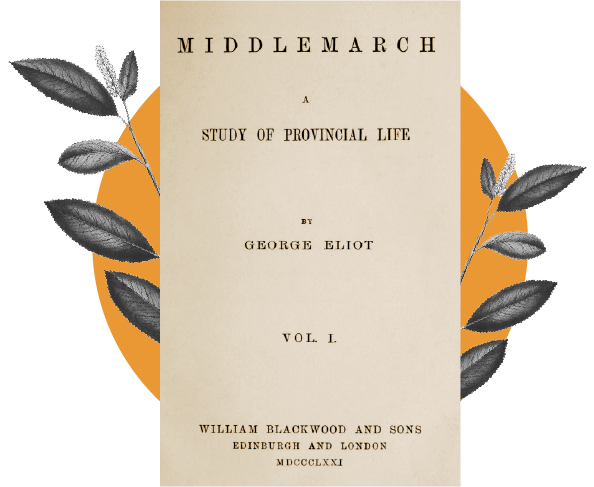
Middlemarch by George Eliot was officially the chunkiest book I’ve read this year, and I don’t regret picking it up — not even a little bit.
Without retelling the plot or giving any spoilers, I want to share some impressions from my first reading.
My first reaction after reading was: Oh, how incredibly intelligent George Eliot was. She created a complicated, dense, and layered novel. Her language is challenging, her sentences long and intricate. She demanded assiduity from both herself and the reader.
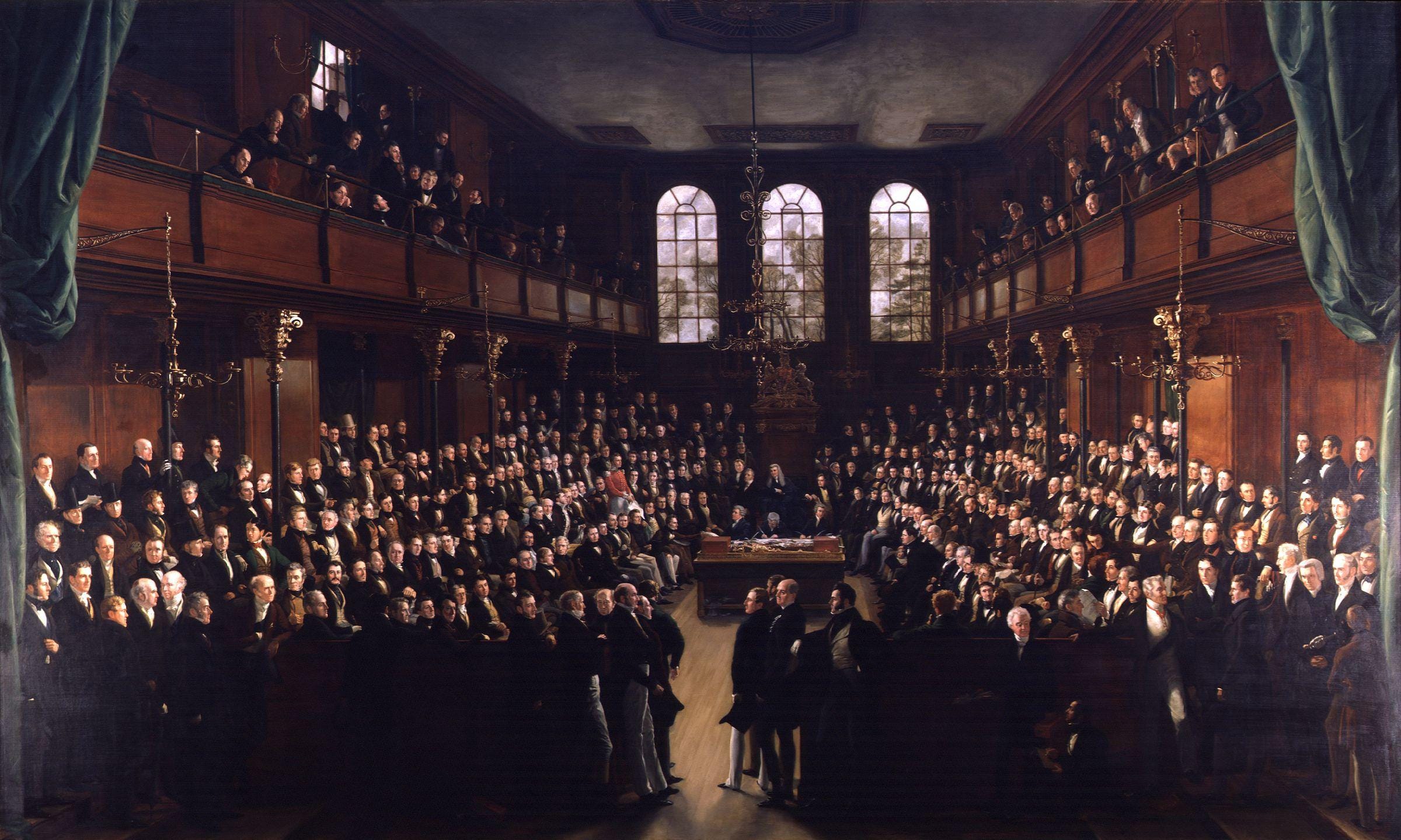
Middlemarch was published thirty-nine years after the Reform Act of 1832, but the story is built on pre-reform English soil. Throughout the novel, we see the important changes in the country — literally and metaphorically — reflected through the transformations of the main characters.
Thus, I believe one of the main themes of the book is change: changes in society, changes in lifestyle, changes in people’s minds. And the question is: what happens if changes are necessary, but people are not ready to embrace them?
While reading, I remembered a quote from the famous Polish aphorist Stanisław Jerzy Lec:
“Those who are ahead of their time often have to wait for it in uncomfortable quarters.”
— Stanisław Jerzy Lec
I would say this perfectly reflects the story — whether in domestic life or in the country’s voting system, people who are too liberal for their era often suffer the most. They understand it, but they are alone in their understanding.
Among other things, the novel contains political discussions of the time. Reading about the battle between opposing opinions can evoke very contemporary feelings and connections.
“No matter, those who read Pioneer don’t read the Trumpet.”
— George Eliot, Middlemarch
George Eliot creates a main heroine who, I must confess, sometimes seems too saintly for me. Yet, I tried to set aside my cynical perspective while reading. The heroine may be seen as an embodiment of the country itself: she struggles with her inner self, believing she only wants the old rules, books, and laws, yet we see she may be deceiving herself.
Perhaps I’m trying to find meanings Eliot did not intend. Nonetheless, the attempt to uncover deeper insights and connections in Middlemarch was more than rewarding.
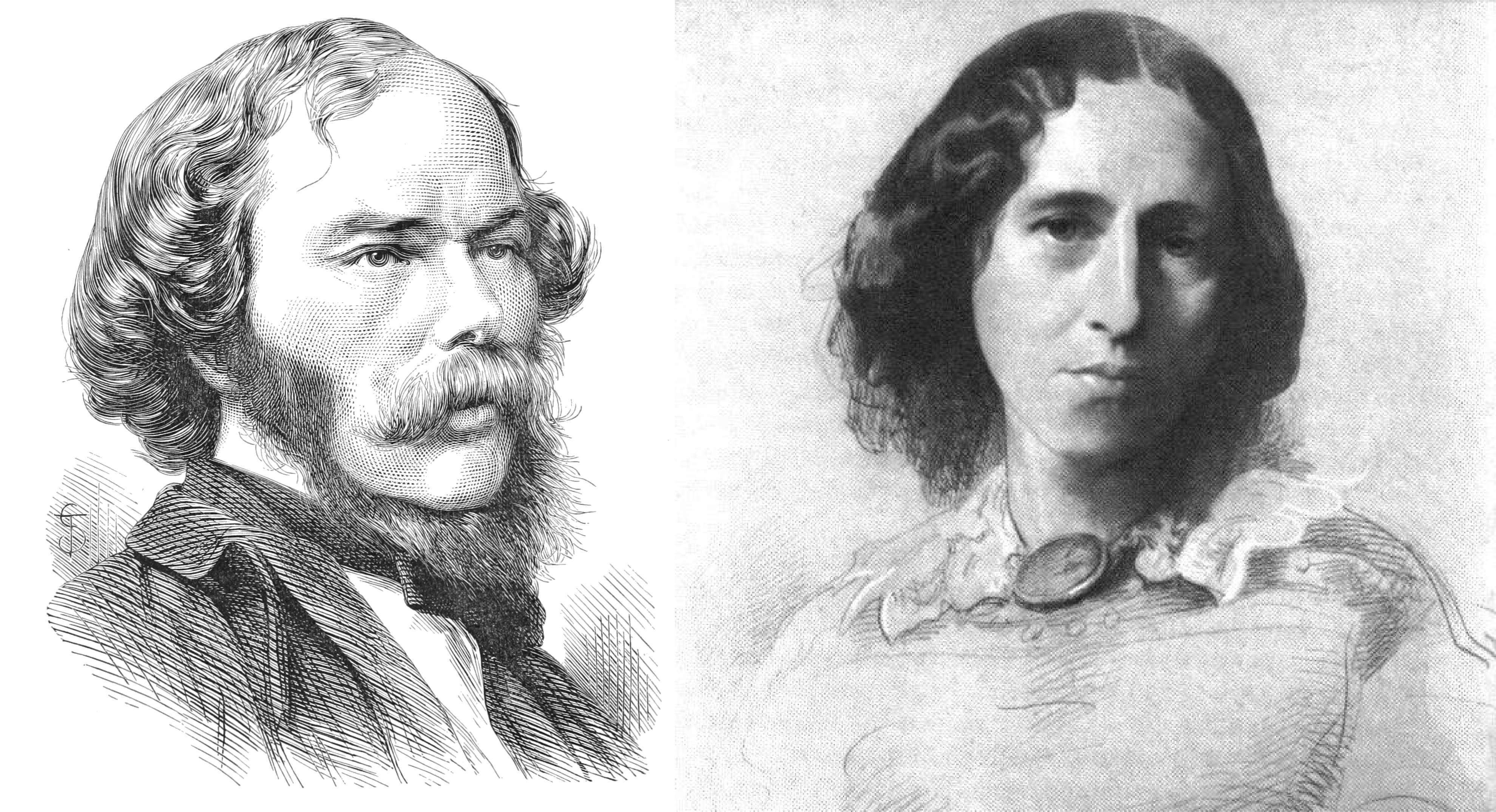
Naturally, after reading, I felt inspired to create a collage in which George Eliot breaks old rules, scrolls, and regulations.

By breaking rules, Eliot creates a story that challenges the perception of women’s roles in society. At that time, a woman’s dependence on social approval was enormous, and going against it was incredibly brave.
“And, of course men know best about everything, except what women know better.”
― George Eliot, Middlemarch
This reminded me of Thomas Hardy’s works, where the fate of women plays a crucial role and unconventional relationships are taboo in society. I believe Eliot drew from her personal experience, knowing firsthand the limitations and expectations imposed on women in Victorian society, having herself lived in an unconventional relationship.
The novel demonstrates that an officially approved marriage is not a keystone to success when there is no mutual love and respect.
Reading Middlemarch reminds us that, although much has changed since that time, much still persists.
“Sane people did what their neighbours did, so that if any lunatics were at large, one might know and avoid them.”
― George Eliot, Middlemarch
I also couldn’t help but wonder about the title itself. Can we perceive Middlemarch as a reference to the middle class? And if so, should we read it as a dedication to the entire class of Victorian England? Or perhaps it is only my foreign perception of the language. I hope that after a second reading, I will be able to formulate this thought more clearly.
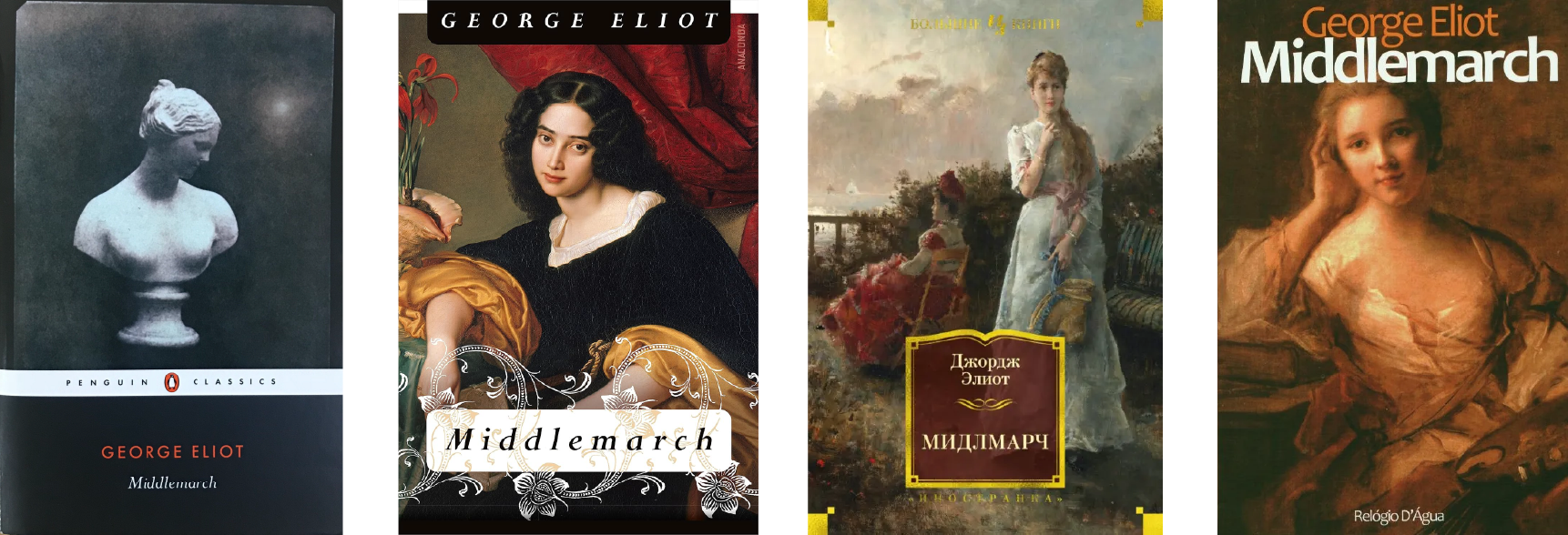
I was fascinated by the different covers of this book and noticed that many publishers use a woman’s image as an illustration. It is left to our perception whether this depicts a particular woman, an idealized figure like Venus (as on the English cover), or even an embodiment of the whole class or country.
Classics always offer multiple layers of interpretation, and that is why I love returning to them. If you are unsure whether Middlemarch is worth reading almost a thousand pages, just start — George Eliot has a way of pulling you in, one sentence at a time.

Natalia Titova
11/2025
I love it. And I like your view of it as about change, social and personal. The four main couples give you different perspectives both on marriage and on living in the realm world. Not comfortable but compassionate, I think
Good work as always. I have a copy of Romola by Eliot that’s been buried in my shelf for about two years now. I’ll dig it out at some point.